


Expertly Written By
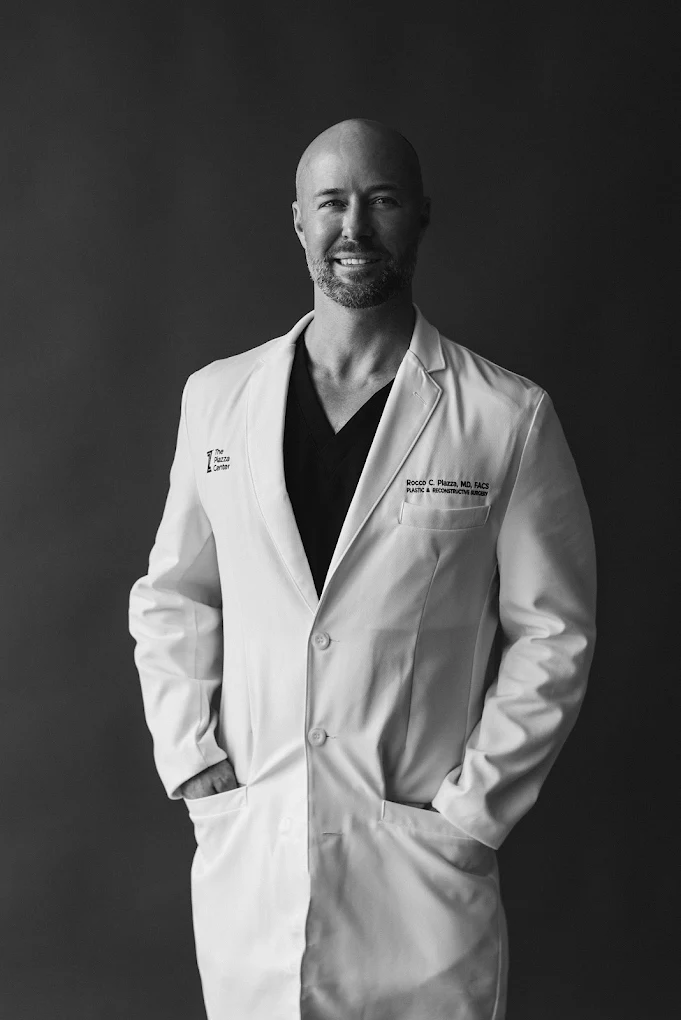
Dr. Rocco Piazza, MD, FACS
Board-Certified Plastic Surgeon practicing in Austin, Texas, and the physician who selects every product on our skincare shelf.
At a Glance
The short answer: Many are pleasant hydrating serums; the "exosome" part is usually plant-derived and lightly evidenced
Plant vs human: Different particles from different sources, with different research behind them
The question to ask: How many exosomes, from what, and does the label say?
What we stock: INVO Rejuvenating Complex, human cell-derived, sold through physicians
Who should save their money: Anyone happy with a good hyaluronic serum and a retinoid
Why This Matters: "Exosome" on a $24 bottle and on a $285 bottle can describe entirely different ingredients. If you know what to read on the label, you can decide whether the gap in price is a gap in substance. Individual results vary.
In March 2025, The Inkey List launched an exosome serum at Sephora for $22. It was a smart move. Exosomes had been a med-spa word, attached to microneedling packages and $300 bottles, and suddenly they were next to the lip balm at checkout.
Patients now bring me the drugstore bottle and ask the fair question: is this the same thing? Sometimes the honest answer is that the drugstore serum is a perfectly nice product. It is just not the same ingredient, and the label usually does not give you enough to compare.
Key Takeaways
- Most mass-market exosome serums use plant-derived vesicles. The Inkey List's come from cica (Centella asiatica).
- Plant vesicles have mostly lab and case-report evidence; human cell-derived exosomes have more, though still early, clinical data.
- Concentration is the missing number. A percentage of an ingredient is not a count of exosomes.

Do Drugstore Exosome Serums Work?
They can make skin look and feel better, mostly because they are well-built hydrating serums. Whether the plant "exosomes" in them add anything measurable on human skin has not been shown in controlled trials. They are not equivalent to the human cell-derived exosomes used in medical-grade products, and they were never designed to be.
That is not a knock on them. A Dermatology Times review in August 2026 put it well: over-the-counter serums often use plant-derived exosome-like nanovesicles, which have no acute safety signal; the main concern is marketing that borrows the imagery of regenerative-medicine research.
What Is Actually in The Inkey List Exosome Serum
The product is the Exosome Hydro-Glow Complex. The brand states it contains 1% "Cica Exosomes sourced from Centella Asiatica", a plant. Glossy reported the $22 launch price at Sephora; when we checked the brand's US site in October 2026 it was $24 for 30 mL.
Read the full ingredient list and there is no separately named exosome ingredient; Centella asiatica leaf extract appears near the end. Around it is a sensible formula: glycerin, two forms of hyaluronic acid, ectoin, allantoin, ubiquinone and tripeptide-1. Those ingredients alone would make skin look plumper and more dewy.
The brand's evidence, as it reports it:
- A 4-week study of 26 people, in which the brand reports 100% saw more glowing skin.
- A study of 31 people for up to 12 hours of hydration.
- Lab (in vitro) testing of the cica exosomes showing a 55% reduction in pro-inflammatory markers and a 63% increase in skin-renewal markers after 8 hours — results in cells, not on faces.
Hydration and glow are exactly what that formula should deliver. What the data do not separate is how much comes from the exosomes versus everything else in the bottle.
1%
Plant (cica) exosome ingredient, as stated by The Inkey List. No particle count given.
1.2T+
Exosomes INVO states are in its Rejuvenating Complex, from human cell sources.
0
Controlled human trials of plant-derived vesicles in a 2026 dermatology review.
Sources: The Inkey List; INVO; Burshtein et al., J Clin Aesthet Dermatol 2026. A percentage and a particle count are different measures and cannot be converted into each other.
Plant Exosomes vs Human Exosomes
Exosomes are tiny vesicles that cells release to carry proteins and genetic signals to other cells. Plants make vesicles too. Many scientists prefer to call them "exosome-like nanoparticles" or simply extracellular vesicles; the International Society for Extracellular Vesicles' MISEV2023 guidelines recommend "extracellular vesicle" as the general term, because proving a particle is a true exosome is demanding work.
The source changes what the vesicle carries. A vesicle from a human skin or stem cell carries human signalling proteins. A vesicle from a cica leaf carries plant molecules, which may have their own useful antioxidant or calming effects, but it is not delivering the same message.
| Plant-derived (e.g. cica, rose) | Human cell-derived (e.g. fibroblast, stem cell) | |
|---|---|---|
| Typical price point | Drugstore to mid-range | Medical-grade, often physician-dispensed |
| Human clinical evidence | Case reports and series; no controlled trials found in a 2026 review | Small human trials, encouraging but non-standard (2026 meta-analysis) |
| Donor screening needed | ✗ No human donor | ✓ Yes — ask for it |
| Acute safety signal (topical) | None reported | None for topical use; published problems involve injection |
| Biggest risk | Paying for a word | Poor sourcing from unknown manufacturers |
Sources: JCAD 2026, Aesthetic Surgery Journal 2026, Dermatology Times 2026.
The research on plant vesicles is real and interesting. A 2026 review in the Journal of Clinical and Aesthetic Dermatology described anti-inflammatory and barrier-supporting effects, mostly in lab studies, and called for standardised production and controlled trials. Human-derived exosomes are further along, but not by as much as their marketing implies: a 2026 systematic review in the Aesthetic Surgery Journal found encouraging results across small, varied studies and asked for larger, standardised ones. For more on what exosomes add after procedures, see enhancing skin rejuvenation outcomes with exosomes.
The Missing Number: Concentration
This is the part I would want any patient to understand. "1% exosomes" usually means 1% of an ingredient solution that contains vesicles, not a count of vesicles. Two products can both say "exosome" and differ by orders of magnitude in what is actually there, and the label rarely tells you.
A 2023 review in Plastic and Reconstructive Surgery Global Open found exosome product prices ranging from about $60 to nearly $5,000, driven by source tissue and exosome concentration. Price alone does not tell you quality, but a manufacturer willing to state a count and a source is at least giving you something to hold it to.
Cost per mL, 30 mL Bottles
The Inkey List Exosome Hydro-Glow Complex — $0.80/mL
INVO Rejuvenating Complex — $9.50/mL
What the difference buys, by each brand's own description: plant vesicles at a stated 1% versus human cell-derived exosomes at a stated 1.2 trillion-plus, with vitamin C and peptides built in.
Prices: $24 per 30 mL on theinkeylist.com (US) and $285 per 30 mL on our shop, checked October 2026. Exosome figures as stated by each manufacturer.
"If a $24 serum makes your skin feel good and you will use it every day, I have no quarrel with it. My only ask is that you know what you are buying. A plant extract with exosome on the label is a different ingredient from human cell-derived exosomes, and the price difference reflects that." — Dr. Rocco Piazza, MD, FACS
Video: Dr. Rocco Piazza (@roccopiazzamd) on the pressure to do more, and what ageing well actually takes.
When a Drugstore Serum Is Enough
Be honest with yourself about the goal. If you want hydration and a bit of glow, a drugstore exosome serum, or any good hyaluronic serum, is a reasonable buy. If your routine already has sunscreen and a retinoid, those two will do more for ageing skin than any exosome product, cheap or expensive.
Medical-grade makes more sense when:
- You are having microneedling or laser and want a product made for use around procedures.
- You want a known source, donor screening and a stated exosome amount, not just the word on the box.
- You are targeting the look of fine lines, uneven tone and texture over months, and are prepared to give it eight weeks.
Why We Chose INVO
When we looked at medical-grade exosome serums, we asked the same questions this article asks. INVO answers more of them than most. INVO states its Rejuvenating Complex contains more than 1.2 trillion exosomes and over 1,200 growth factors, proteins and peptides, delivered with what it calls BioBlend Technology, and that its exosomes come from three human cell sources: fibroblasts, umbilical cord and bone marrow. It also has a vitamin C and peptide complex built in, which saves a step. Dr. Melanie Palm, a board-certified dermatologist in Solana Beach, sits on INVO's medical advisory board. Where exosomes come from, and what that means ethically, is covered in where do exosomes come from.

What it will not do: replace sunscreen, replace a retinoid, tighten loose skin or match the results of a laser. It is a supporting player, used morning and night on clean skin before moisturiser, and before a retinoid at night. It is gentle enough for use right after microneedling, and after laser once your provider clears it. We compare it with other physician serums in INVO vs Young Goose vs SkinMedica TNS.

Video: Dr. Rocco Piazza (@roccopiazzamd) on why evidence-based choices compound.
What We Stock
- INVO Rejuvenating Complex Exosome Serum, 30 mL — $285. Our daily exosome serum, and the one we pair with microneedling aftercare. Full review: why we chose INVO.
- EXO EYE — NAD+, eXo3 exosomes and peptides for the eye area.
- EXO PLUS — an exosome cream for drier skin.
Drugstore Exosomes: Common Questions
Is The Inkey List exosome serum good?
It is a well-formulated hydrating serum with hyaluronic acid, ectoin and peptides. Its exosomes are plant-derived from cica, which is a different ingredient from human cell-derived exosomes. For hydration and glow at a low price, it is a reasonable choice.
Are plant exosomes real exosomes?
Plants do release extracellular vesicles. Many researchers call them "exosome-like" because they differ from animal exosomes in origin and content. They carry plant molecules, not human signalling proteins.
Do cheap exosome serums work as well as expensive ones?
There are no head-to-head studies, so nobody can honestly say. The fair comparison is source, stated exosome amount and the rest of the formula, not price alone. Individual results vary.
Are drugstore exosome serums safe?
For most people, yes. No acute safety signal has been reported for plant-derived exosome skincare. As with any new product, patch test if your skin is reactive.
Can I use a drugstore exosome serum after microneedling?
Use what your provider gives you for the first days. Freshly needled skin calls for sterile products designed for post-procedure use, which most retail serums are not.
Are any exosome serums FDA approved?
No. There are no FDA-approved exosome products. Exosome serums are sold as cosmetics, which do not require FDA approval. More in are exosomes FDA approved, safe or legal.
Individual results vary. The products discussed are cosmetic products and are not intended to diagnose, treat, cure or prevent any disease. No exosome product is FDA approved. Manufacturer figures, including competitor figures, are as stated by each manufacturer; prices were checked in October 2026 and may change. Cited studies are linked to their published sources. This article is for educational purposes and does not constitute medical advice; speak with a qualified physician about what is appropriate for your skin.
Not Sure Which Exosome Serum Is Worth It for You?
Dr. Rocco Piazza and our Austin skin team can look at your skin and your routine and tell you whether an exosome serum would add anything — or whether your money is better spent elsewhere.
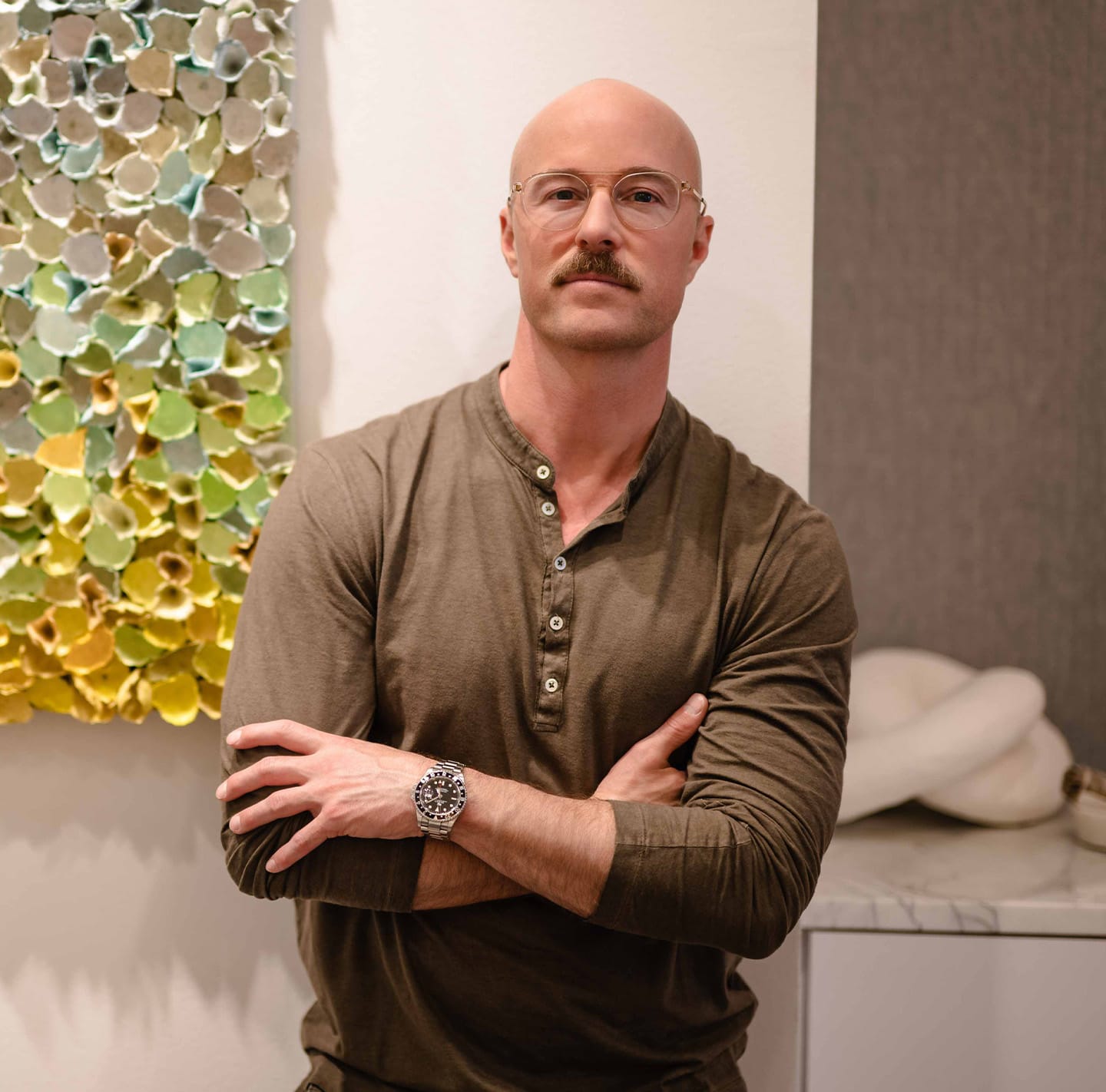
Dr. Rocco Piazza II
Board-Certified Plastic Surgeon
Dr. Piazza is a board-certified plastic surgeon practicing in Austin, TX. He specializes in aesthetic and reconstructive surgery with a focus on natural results.